Quick answer
A reverse mortgage can be a sound decision for parents 62 and older, or a poor one, depending on why they want it. With an FHA-insured HECM, your parents keep the title, the loan is non-recourse so no one ever owes more than the home is worth, and heirs inherit choices rather than debt. The real tradeoffs are a growing loan balance, continuing property-charge obligations, and front-loaded costs. Adult children in Charles, Calvert, St. Mary’s, and Prince George’s counties should ask what problem the loan solves, what the required HUD counseling covered, and how the funds are structured before anyone signs.
Your mother called. She and your father have been talking to someone about a reverse mortgage, and she wanted you to know before they signed anything.
If your first reaction was somewhere between concern and alarm, you are in good company. Most adult children hear “reverse mortgage” and think of the horror stories from twenty years ago, or the late-night commercials, or a vague sense that the bank ends up with the house. I talk with families across Charles, Calvert, St. Mary’s, and Prince George’s counties every week, and the adult son or daughter on the call almost always arrives skeptical.
Good. Skepticism is the right starting posture for any decision involving your parents’ largest asset. My job in this article is not to talk you out of it. It is to give you the questions worth asking and the facts worth knowing, so that whatever your family decides, you decide it with clear eyes.
Will the bank take my parents’ house?
No. This is the fear underneath most objections, and it is based on how these loans worked decades ago, not how a Home Equity Conversion Mortgage works today. Three facts change the conversation.
Your parents keep the title. The deed stays in their names, exactly as it would with the mortgage they may have now. The lender holds a lien, nothing more.
The loan is non-recourse. Neither your parents nor you will ever owe more than the home is worth when it sells. If the balance ever grows past the home’s value, FHA insurance covers the gap, not your family.
You inherit choices, not debt. When the last borrower passes away or moves out permanently, the heirs can sell the home and keep every dollar above the payoff, keep the home by paying off the balance, or walk away owing nothing if there is no equity left. I wrote a full page on exactly this because it is the first question every family asks: what happens to the home and heirs.
None of this makes a reverse mortgage automatically right for your parents. It just means the decision should be made on the real tradeoffs, not the imagined ones.
What are the honest downsides of a reverse mortgage?
Here is what I tell families when the adult children join the call, which I encourage every time.
The balance grows. Because no monthly payment is required, interest accrues and the loan balance rises over time. That means less equity later, for your parents if they eventually sell, or for you as heirs. If preserving maximum inheritance is the family’s top priority, that matters and should be said out loud.
The obligations continue. Your parents must keep paying property taxes, homeowners insurance, and basic upkeep, and they must live in the home as their principal residence. Falling behind on those can put the loan in default. The financial assessment during approval exists to confirm those obligations are sustainable, and it is a protection worth taking seriously rather than a hurdle to get around.
The costs are front-loaded. Between FHA insurance and closing costs, a reverse mortgage costs more to set up than a home equity line. If your parents are likely to move within a few years, the math rarely works, and I will say so when it does not.
What should I ask my parents before they sign?
Not “why would you do this,” which puts everyone on the defensive, but questions that surface whether the plan is sound.
What problem is this solving? A required mortgage payment that strains a fixed income is a clear problem, and eliminating it is the most common reason Southern Maryland retirees pursue this. A vague desire for extra cash deserves more scrutiny.
What did the counselor say? Federal rules require every borrower to complete a session with an independent HUD-approved counselor before applying. No legitimate loan officer will let your parents skip it, and I consider it a feature. Ask your parents what they took from it.
How are you receiving the money? A line of credit left to grow behaves very differently from a lump sum spent in year one. The structure says a lot about whether this is a plan or an impulse.
Who else has looked at this? A reverse mortgage decision benefits from more eyes: the family, sometimes a financial adviser, sometimes an elder law attorney. Anyone selling urgency instead of welcoming those eyes is telling you something.
Why do so many Southern Maryland retirees consider this?
The reason these conversations happen so often here is simple. This region is full of homeowners who bought in La Plata, Waldorf, Prince Frederick, Leonardtown, or Fort Washington decades ago and now hold large equity in homes they intend to stay in. Many are military retirees from Naval Air Station Patuxent River or Joint Base Andrews with steady pensions and little flexibility for large expenses. The house is the biggest asset on the balance sheet, and it is the only one without a plan attached.
A reverse mortgage is one way to attach a plan. So is a home equity line, downsizing, a HECM for Purchase to right-size into a one-level home, or doing nothing at all. The honest answer depends on your parents’ health, timeline, income, and what your family wants the house to mean. I have told plenty of families that staying put with no loan at all is their best move, and I will tell yours that too if it is true.
Frequently asked questions from adult children
Can my parents lose the house with a reverse mortgage?
As long as they live in the home as their principal residence, pay property taxes and insurance, and maintain the home, they cannot be displaced. Those obligations are real, and the pre-approval financial assessment exists to confirm they are sustainable.
Will I have to pay my parents’ reverse mortgage when they pass away?
No. HECM loans are non-recourse. You can sell the home and keep any equity above the payoff, keep the home by paying the balance or 95 percent of the appraised value if the balance is higher, or walk away owing nothing. Your own credit is unaffected either way.
Does a reverse mortgage affect Social Security or Medicare?
Social Security and Medicare are generally not affected. Need-based programs such as Medicaid and SSI can be affected by how proceeds are held, which is worth reviewing with an elder law attorney before funds are drawn.
Should I be on the call with the loan officer?
Yes, and any loan officer who resists that is telling you something. I encourage adult children to join every reverse mortgage conversation I have, and my best reviews happen with the whole family in the room.
Where to go from here
If your parents are considering this, do three things. Read the reverse mortgage myths and FAQs so the whole family is working from the same facts. Get the 62+ Homeowner’s Guide, which is the complete consumer booklet, and read it before any application. And then, if you want a second opinion on your parents’ specific situation, send me the scenario. Include yourself on the review. I do my best work when the whole family is in the room, and a decision this size deserves nothing less.
Reverse mortgage borrowers must continue to pay property taxes, homeowners insurance, and home maintenance costs, and must occupy the home as their principal residence. HECM loans are FHA insured and require HUD-approved counseling. Some circumstances will cause the loan to mature and the balance to become due and payable. This material is not from HUD or FHA and has not been approved by any government agency. This article is educational, is not a commitment to lend, and does not constitute tax, legal, or financial advice.
Ken Powell is a certified reverse mortgage loan officer with Fairway Independent Mortgage Corporation in La Plata, Maryland, NMLS #2656628, serving Charles, Calvert, St. Mary’s, and Prince George’s counties, including Waldorf, Prince Frederick, Leonardtown, Lexington Park, Upper Marlboro, Bowie, Clinton, and Fort Washington. Equal Housing Opportunity.
Part of Ken's Reverse Mortgage resource center
Get the full picture on programs, qualification, and documentation, or send Ken your specific numbers and get a direct answer.
About the Author
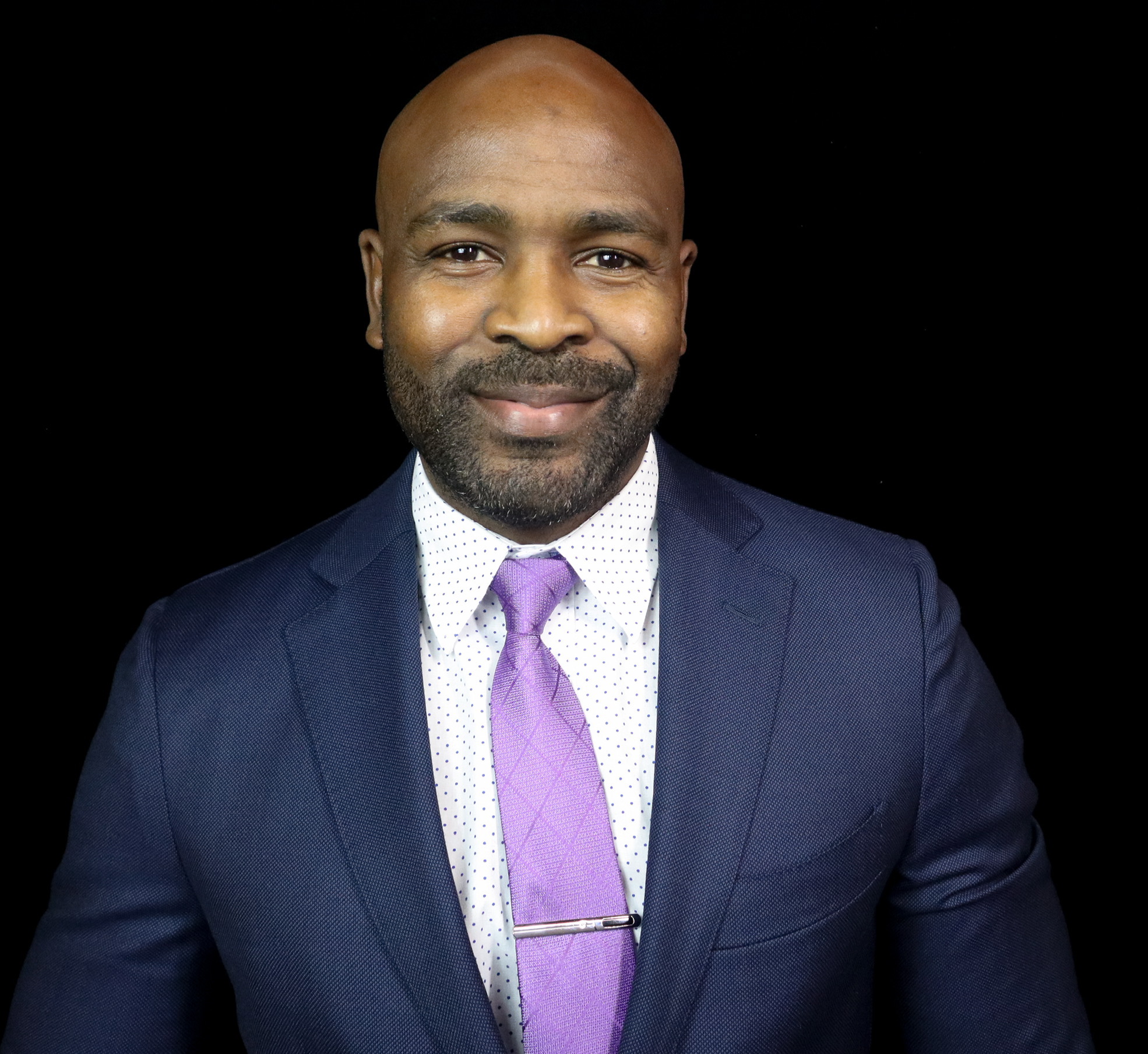
Ken Powell · Mortgage Loan Officer, Fairway Home Mortgage · NMLS #2656628 · Hughesville, MD
Ken is a retired U.S. Navy veteran, a former Realtor with more than 10 years and $22M+ in closed sales, and a real estate investor since 2014. He specializes in VA, DSCR, and self-employed financing across Maryland and Virginia. Learn more →
 Equal Housing Lender